Don't let the model
kill the molecule.
Target engagement discordance causes false negatives. Parity Bioworks detects binding site differences between human and animal targets before they derail your program.
Standard Path
Sequence-Based Assumption
False negatives from undetected binding site differences.
Parity Path
Residue-Level Analysis
Detect engagement discordance before the study begins.
Before you commit to a study, know where the binding sites diverge. We surface residue-level discordance that sequence identity alone cannot reveal.
Target Engagement Risk
Detect Discordance Before the Study
Our technology identifies binding site differences that cause false negatives in preclinical models.
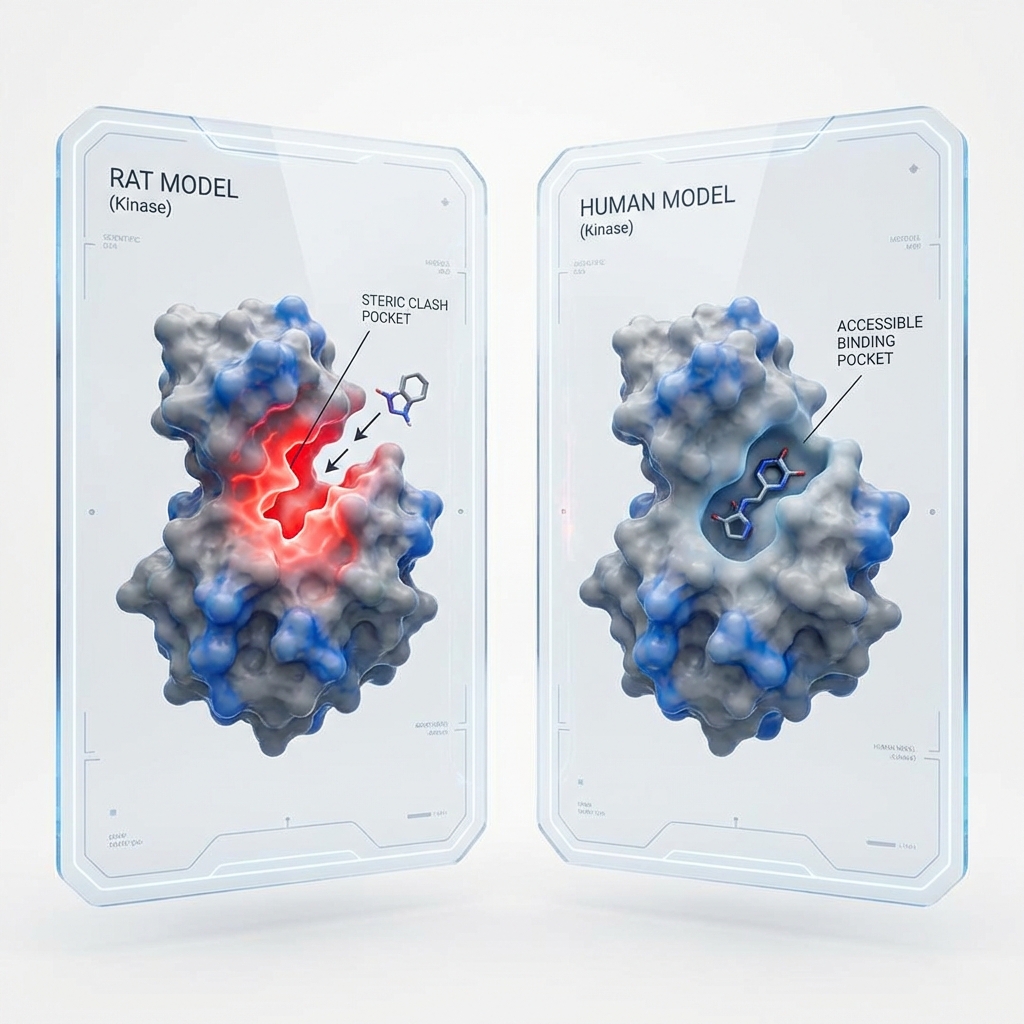
Discordance Heatmap: Residue-level engagement differences
Catch It During Lead Opt
The Screen: A single residue flip in the rat binding pocket creates a steric clash with your new scaffold. Our discordance heatmap flags the exact position before you waste cycles on a dead-end model.
Explain the Unexpected Failure
The Analysis: Post-study forensic analysis reveals the animal target binds in a different mode than the human target. Your molecule isn't bad—the model was wrong. The program can proceed with an appropriate species.
Justify Your Species to FDA
The Validation: Regulatory-grade multi-species comparison with structural evidence. Document why Minipig, Dog, or NHP is the right model for your target—backed by residue-level engagement data FDA reviewers can evaluate.
Scope & Defense
We assess Target Engagement, not metabolism or distribution. If we predict concordant binding and the drug fails due to PK, our assessment stands. We help you isolate the variable.
Our Technology
Hybrid AI/Physics Engine
We utilize a stochastic inference engine to model structural plasticity, ensuring scoring is based on thermodynamically accessible states.
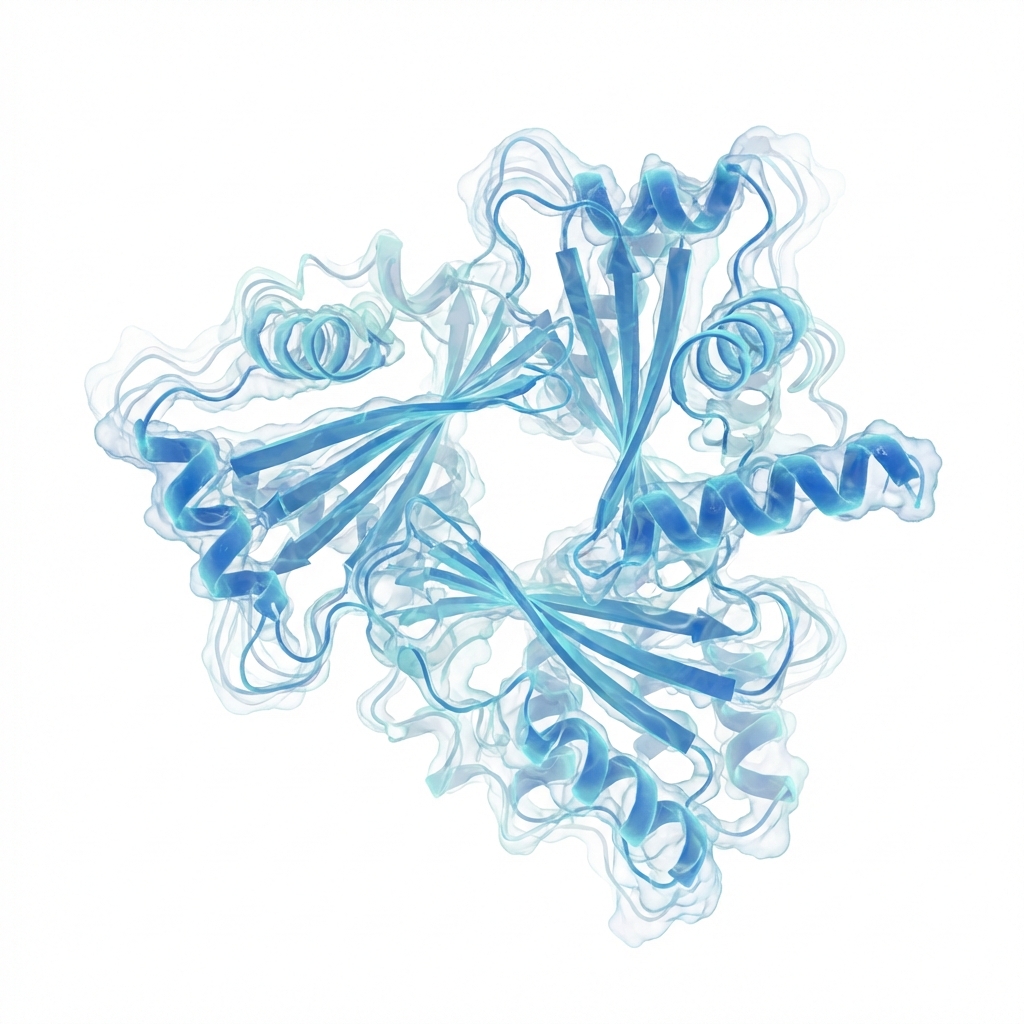
Ensemble Co-Folding
Structure Prediction
Beyond the "Identical Backbone Trap". Standard AI tools collapse into rigid states. We generate a diverse ensemble of potential binding site conformations to model species-specific plasticity.
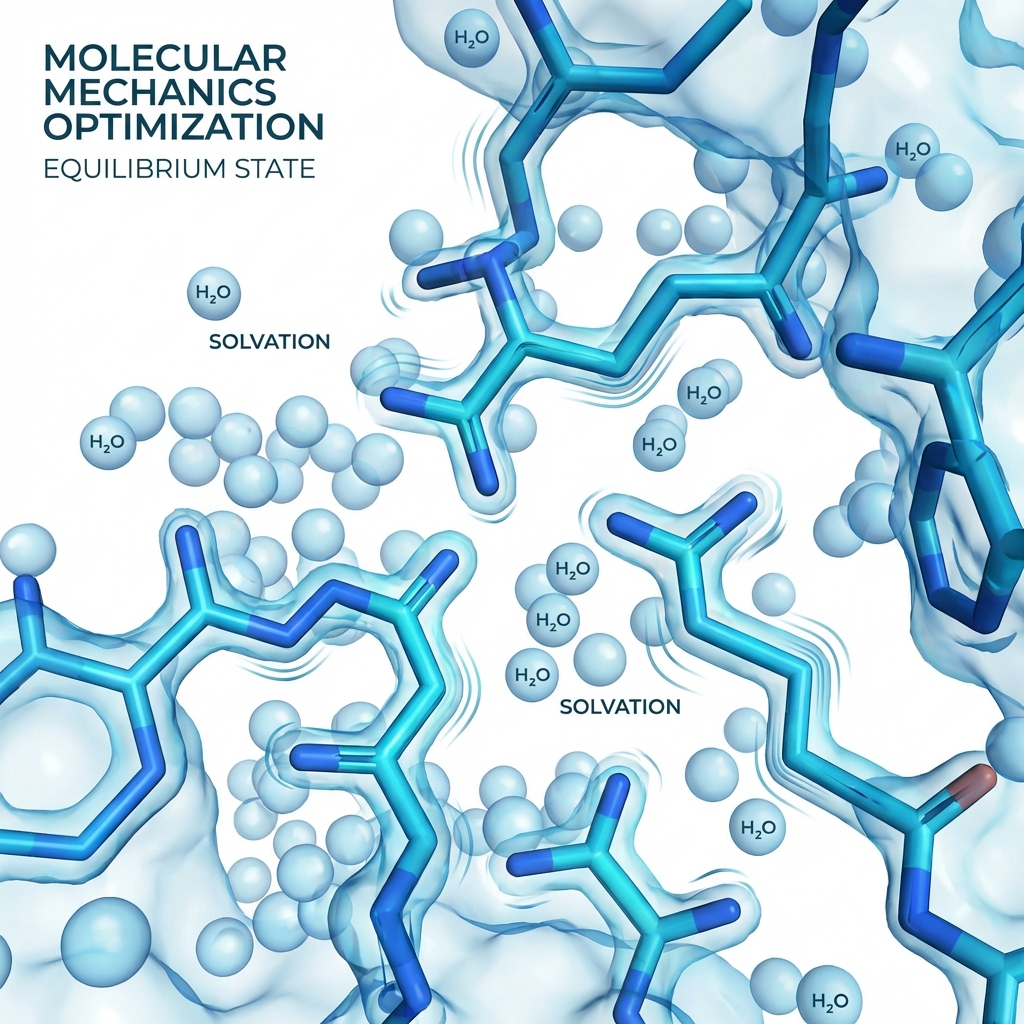
Physics-Based Relaxation
Conformational Sampling
Thermodynamic reality. We apply molecular mechanics to solvate the pocket, allowing side-chains to find their native equilibrium before scoring.
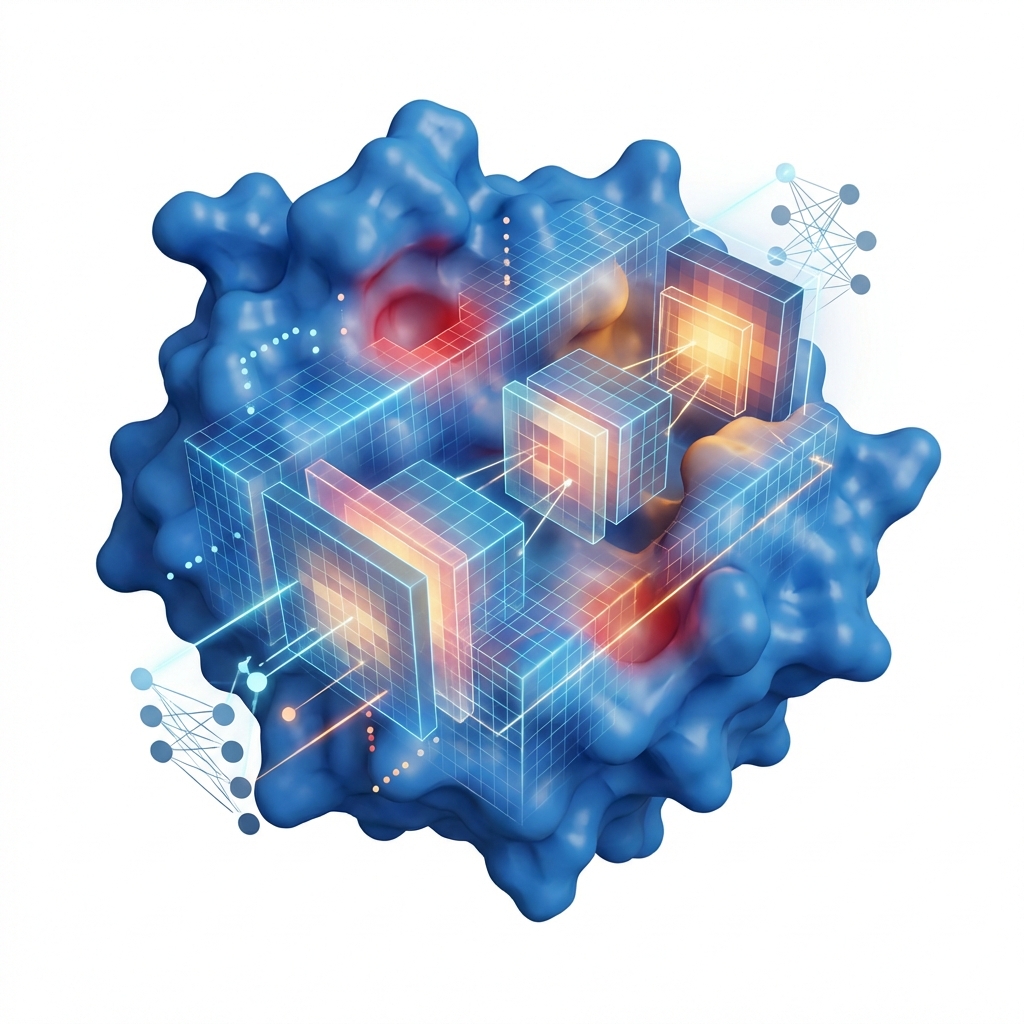
Consensus Scoring
Physics-Guided Deep Learning
Physics-guided scoring. Our proprietary 3D-CNN analyzes electrostatic and hydrophobic fields to detect "energy cliffs" where single mutations destroy affinity—validated against OpenMM energy minimization.
The Green Box
What We Measure- Binding Pocket Similarity
- Pose Stability (Dynamics)
- Affinity Robustness (Energetics)
The Red Box
What We Don't Measure- Metabolic Clearance (PK)
- Tissue Expression Levels
- Immunogenicity & Toxicity
We are the PD complement to your existing PK (Simcyp/GastroPlus) workflows.
Engagement Model
Risk Intelligence Services
Three tiers of analysis for different stages of your program.
Accelerate Lead Selection
Avoid dead-end models before synthesis
48-hour discordance check reveals if SAR changes broke animal model relevance—saving weeks of wasted effort.
- Discordance Heatmap
- Residue-level flags
- MedChem-ready output
For: MedChem teams in lead optimization
Recover Stalled Programs
Explain unexpected outcomes with clarity
1-week forensic analysis determines if target engagement discordance explains why results didn't match expectations—rescuing viable molecules.
- Confidence Scorecard
- Binding mode comparison
- Expert consultation
For: Biology leads investigating outcomes
Request AnalysisStrengthen Regulatory Filings
Justify species selection with structural evidence
2-3 week regulatory-grade species comparison report provides defensible documentation for your species selection decision.
- Multi-species matrix
- Full TES scoring suite
- Regulatory documentation
For: Tox/Regulatory teams
Request ValidationProcess
From structure to risk profile.
A streamlined workflow designed for drug development timelines.
Submit Structure
Provide compound structure (SDF/SMILES) and target protein identifier
Computational Analysis
5-part TES Confidence Scorecard computed across preclinical species
48 hoursTES Report Delivery
Comprehensive report with confidence scorecard and engagement risk assessment
Our Mission
Accelerating the Evolution of Medicine
We exist to decode the structural truth of biology. By combining physics-based reality with the predictive power of AI, we are eliminating the uncertainty in drug discovery to advance human health and unlock the next generation of therapeutics.
Get Started
Request a Risk Assessment
Contact our team to discuss target engagement risk analysis for your program.
Start Conversationcontact@paritybio.com